
- June 5, 2025
- Noman Ali
- 2:13 pm
Understanding the Power of Spray Foam
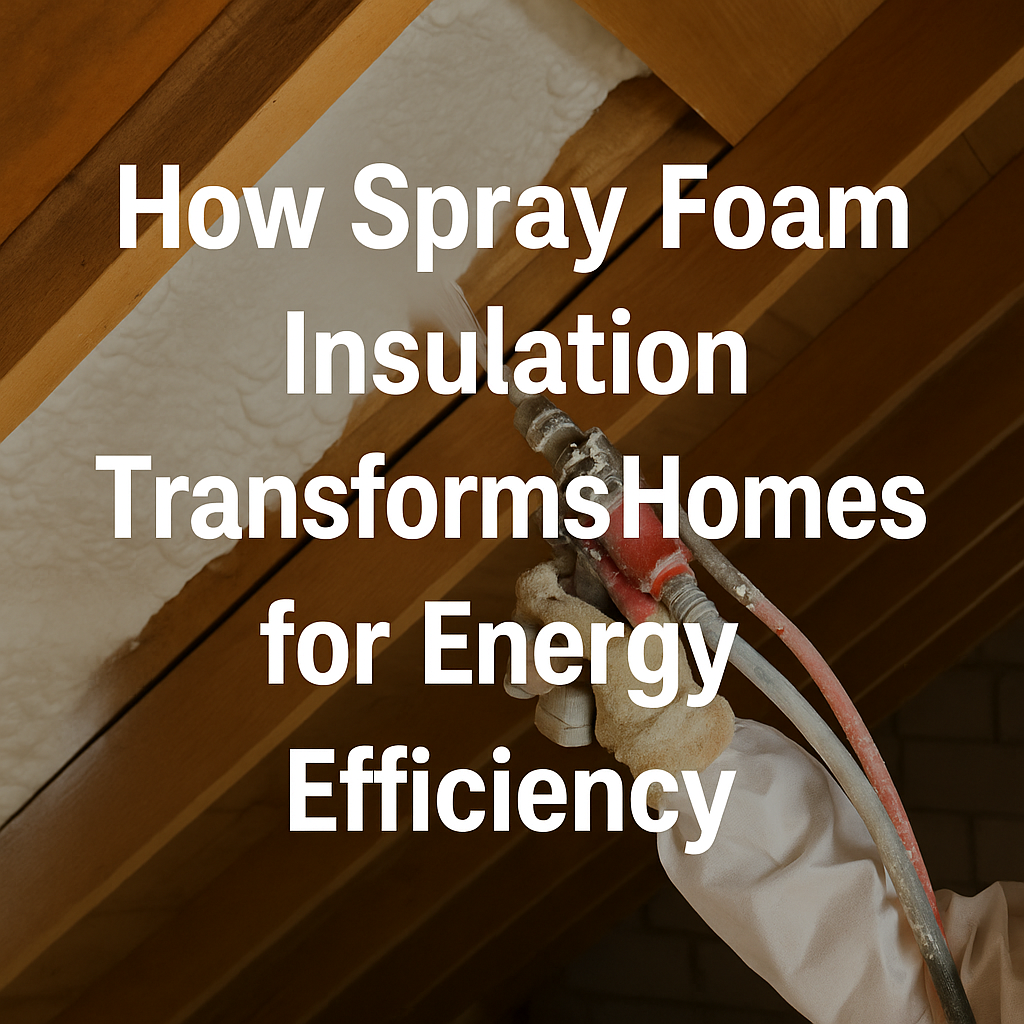
When homeowners think about insulation, they often imagine traditional fiberglass batts tucked into walls and attics. But the game has changed. Spray foam insulation has emerged as one of the most effective, modern solutions for maximizing a home’s energy efficiency. Unlike conventional materials, spray foam expands to fill gaps and create an airtight seal, helping to regulate temperature, block moisture, and reduce energy waste.
The Science Behind the Savings
Spray foam insulation works by forming a continuous thermal barrier inside walls, roofs, and floors. It comes in two primary forms: open-cell and closed-cell foam. Open-cell foam is light and flexible, excellent for sound dampening and interior spaces. Closed-cell foam is denser, offering superior thermal resistance (high R-value) and moisture protection. Both types significantly cut down on air leakage, which is a major source of energy loss in older homes.
Why Traditional Insulation Falls Short
Fiberglass and cellulose insulation often leave small gaps and seams through which air can pass. These leaks create drafts and force HVAC systems to work harder, leading to increased utility bills. Over time, traditional insulation can also settle, sag, or become less effective due to moisture. In contrast, spray foam stays in place and maintains its insulation value over the long haul.
Benefits Beyond Just Energy Savings
- Improved Indoor Comfort: Enjoy consistent temperatures year-round with fewer cold spots and drafts.
- Noise Reduction: Especially with open-cell foam, outside noise is significantly minimized.
- Moisture Barrier: Prevents the buildup of mold and mildew by stopping water vapor from entering the home.
- Pest Deterrent: Sealing off entry points also discourages insects and rodents from invading your walls and attic.
- Structural Strength: Closed-cell spray foam can actually reinforce walls and roofing systems due to its rigidity and density.
Case Study: Transforming an Outdated Home
Take for example a 1970s-built home in Houston, Texas. Before spray foam, the monthly energy bill hovered around $350. After applying closed-cell spray foam insulation in the attic and crawl spaces, that cost dropped to under $200. The house also became noticeably quieter and more comfortable, especially in peak summer months. The project paid for itself in under three years from energy savings alone.
Environmental Impact
Using spray foam insulation is also a green choice. Homes with better insulation require less heating and cooling, which reduces carbon emissions. Modern spray foams are also developed with environmentally friendly blowing agents, making them safer for the planet and for your family.
When Should You Upgrade?
If your home feels drafty, your energy bills are steadily rising, or you notice uneven heating and cooling, it’s time to consider an insulation audit. An expert can pinpoint inefficiencies and recommend spray foam as a targeted solution.
Why Choose LCL Energy Group?
At LCL Energy Group, we specialize in helping homeowners cut energy costs and improve comfort through modern insulation techniques. Our certified professionals use top-grade spray foam products, ensuring safe application and maximum efficiency. From evaluation to installation, we deliver results that matter.
Take the First Step Toward an Efficient Home
Ready to upgrade your home’s insulation? Contact LCL Energy Group for a free consultation. With spray foam insulation, you’ll not only save money — you’ll create a healthier, more comfortable living environment for years to come.